Student lettings in Southampton: when students search for next year's house, and what a letting agent's site needs live by then
When Southampton students search for next year's house, the portals that take the first look, and the pages an agent's own site needs live by November.
By Daniel Stoychev, Webso Digital · 6 October 2026 · 8 min read
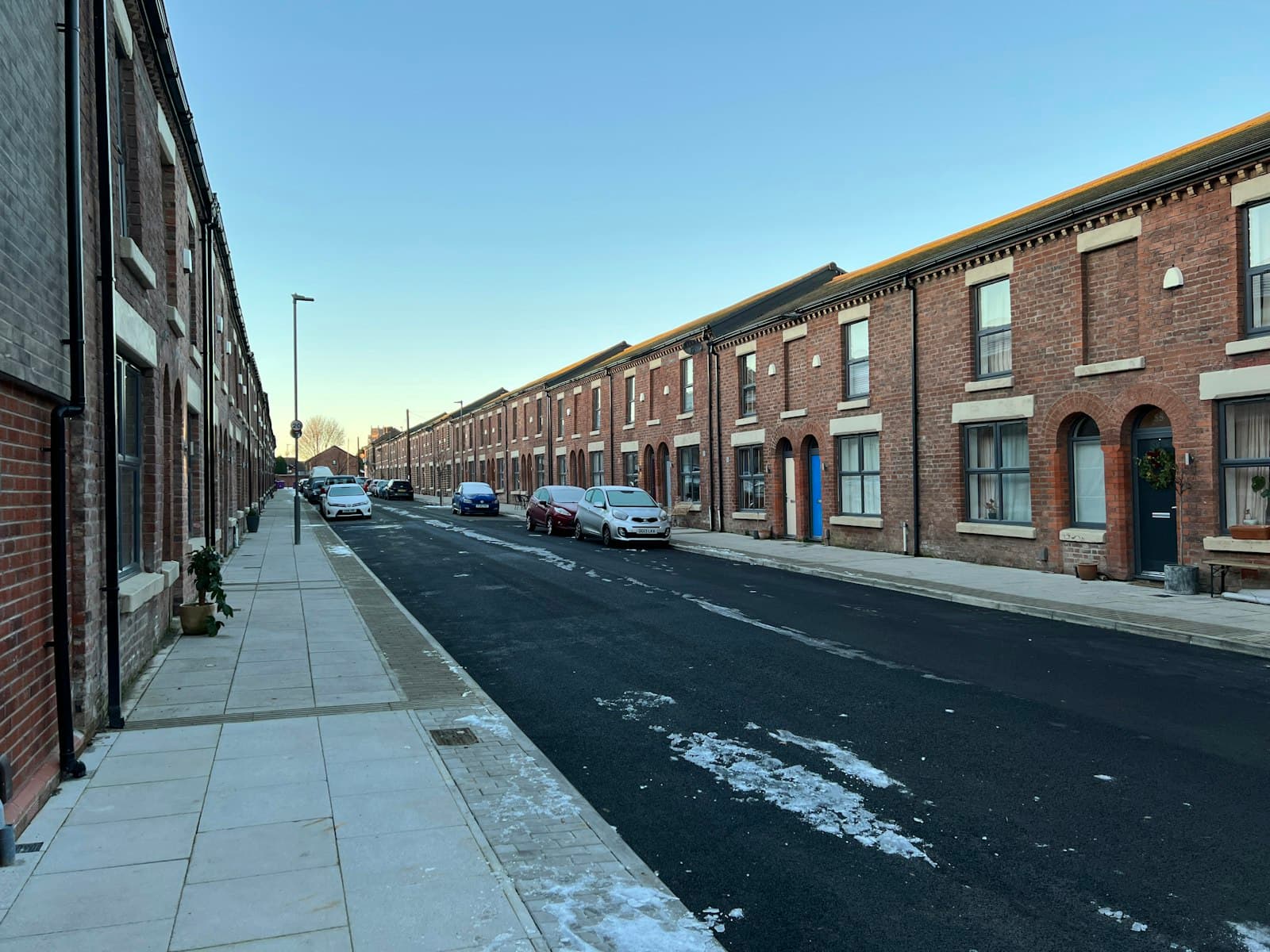
Southampton has two universities and a student housing market that runs on its own calendar. The search for next year's house starts in November, peaks in January and February, and is largely over by Easter, months before anyone moves in. The portals take the first look (Rightmove, Zoopla, StuRents, Accommodation for Students), and a letting agent's own website wins the searches the portals cannot: the brand, the street, the bills-included question, the group of five who need a guarantor form tonight. The page that wins has to be live and indexed by November, because a page published in January is competing for a season that is already half gone.
The calendar, and why it matters more than the keywords
Most local SEO advice assumes demand is steady. Student lettings is the opposite: a few weeks decide the year. The first years arrive in September, find their friends by October, and by November the group chats are about who is living with whom. Agents' boards go up in Portswood and Highfield before December, and the universities' own advice pages spend January telling students that there is no shortage and no need to sign in a panic. The rush happens anyway.
For a website that means the work is done in autumn. A listing page or an area page that Google first sees in January will not have settled by the time the group has signed. The question to ask in September is not "what are our keywords" but "what will a group of four second years type on a Tuesday night in November, and does a page on our site answer it".
What the portals win, and what they cannot
The portals win the first, broad search: "student houses Southampton", "4 bed student house Portswood". They have thousands of listings, years of history and the budgets to match, and a single agent's site will not outrank them for those terms. We say that plainly because agents are sold the opposite every year.
What the portals cannot do is answer the questions that come after the first look. Whether bills are included and what that actually covers. Whether the house is on the Unilink route to Highfield or a walk from Solent. Whether a group of international students can rent without a UK guarantor. What the deposit scheme is, when the contract starts, whether there is a summer retainer. Those searches are long, specific and made by people who are about to sign, and they are exactly the searches a page on your own site can own.
| The search | Who takes it | What your site does about it |
|---|---|---|
| student houses Southampton, student accommodation Southampton | The portals and the universities | Nothing. Do not build a page to fight this; list on the portals and let them send the first look |
| 4 bed student house Portswood, student houses Highfield bills included | Portals, then agents with an area page that actually says something | One page per area that names the streets, the bus route, the walk to each campus and the houses you actually let there |
| student letting agents Southampton, [your name] reviews | You, if the Google Business Profile and the reviews are in order | The profile, the reviews, an About page with real people and real houses on it |
| no guarantor student house Southampton, bills included student house what is covered | Almost nobody, because almost nobody has written the answer | A plain guide page per question, which is what this one is |
The pages, in the order to build them
- The area pages: Portswood, Highfield, Bevois Valley, Polygon, Swaythling, St Denys. Each one about that area, not a template: the streets, the bus, the shops, the walk to Highfield or to Solent, the kind of houses, the typical group sizes. If you can swap the area name and the page still reads correctly, it is not an area page, and Google treats it as a copy.
- The listing pages: one per house, with the real photographs, the bills position stated in a sentence, the contract dates, the deposit scheme and the group size, and a form that takes the whole group's details in one go.
- The guarantor page: who needs one, the alternatives for students without a UK guarantor, what the form asks for and how long it takes. This single page answers one of the most common questions in the whole market and almost no agent has it.
- The bills-included page: what is covered, what has a fair-use cap, what happens if the cap is passed. Groups search for this before they sign and after they move in.
- The Google Business Profile and the reviews, asked for at move-in and again at the deposit return, which is when a student has a reason to write one.
Count how many of your listings say the same three sentences about the area. If most do, Google is reading your site as one page repeated, and your area pages are not area pages yet.
The two things to get right on the listing itself
The first is honesty about what is included, because a listing that says "bills included" and then adds a cap in the contract is the review that gets written in May. State the cap on the page. The second is the group flow: a form that asks one person for one phone number loses the group whose fourth member is in another time zone. Let one person start it and the others finish it, and show the dates the house is available to view that week. The agents that get the viewings are the ones that can be booked at eleven at night.
Licensing, said carefully
Many student houses are houses in multiple occupation, and Southampton City Council's licensing covers more than the national five-person rule in parts of the city. We are not the people to tell you which licence a given house needs; the council's own housing pages are. What a website should do is state that your houses are licensed where they need to be and say who to ask, because "is this house licensed" is a question parents search, and a page that answers it calmly is a page a parent trusts.
What to expect, and when to look
Area pages and guide pages written in September start showing in Search Console in October and are settled by the rush if nothing is wrong with the site. Judge them in March, not December: a page published in September and read in December has had one busy fortnight. Watch impressions for queries containing an area name or a question, and watch enquiries that name a house. The portals will still send the first look. The point of the site is to be the agent the group chooses once they have had it.
Written by
Web developer and SEO specialist at Webso Digital, working remotely from Wrexham for marine businesses, clinics and Southampton firms. Builds the sites by hand and writes the guides from the work. Not a lawyer: where a guide covers a rule, it quotes the regulator and links to it, and the regulator's page is the one to rely on.
Questions on this topic
When do Southampton students start looking for next year's house?
From November, peaking in January and February, and mostly settled by Easter. The universities' advice pages tell students there is no rush; the market behaves as if there is.
Can an agent's website outrank Rightmove or StuRents for student houses in Southampton?
Not for the broad searches, and it should not try. It wins the specific searches that follow: an area with a street or a bus route in it, bills included, guarantors, a group size, and the agent's own name.
Do we need a page for every area?
One for each area you genuinely let in, written about that area. Portswood and Highfield are different places with different houses and a different walk to campus; a page that could be either is a copy, and copies are what Google drops.
What should a listing say about bills?
Exactly what is covered, whether there is a fair-use cap, what happens if it is passed, and whether the figure is per person or per house. The groups search for this before signing, and the ones who find out in May write the review.
When should the pages be ready?
Indexed by the end of October. A page Google first sees in January will not have settled before the groups sign.