Cruise season in Southampton: the searches a parking, taxi or hotel business should own, and when
Three million cruise passengers a year pass through Southampton. What they search before sailing, which page wins each search, and when it must be live.
By Daniel Stoychev, Webso Digital · 6 October 2026 · 8 min read
Sources checked against the regulator's own pages on 6 October 2026.
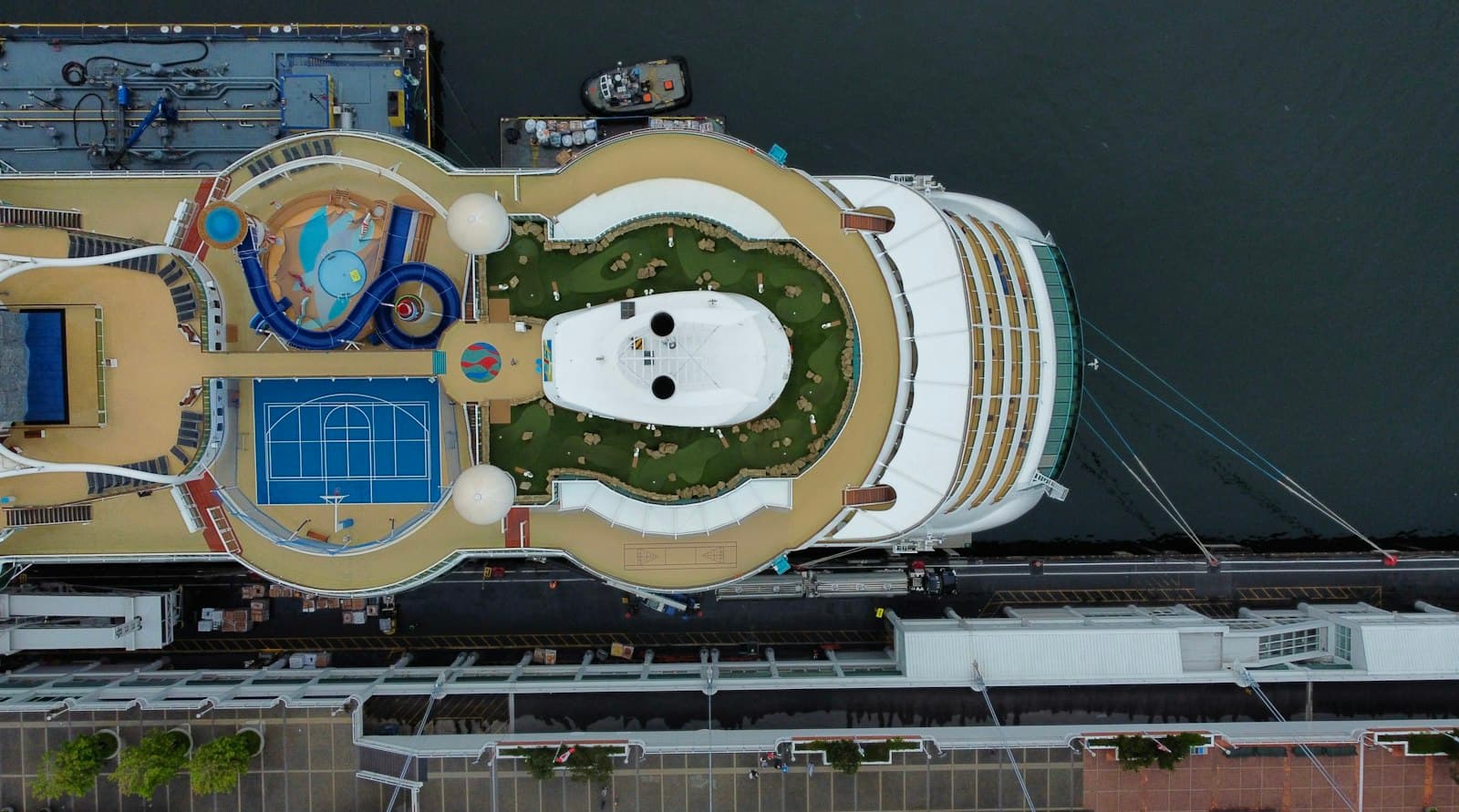
The Port of Southampton welcomed three million cruise passengers in 2024, a record, through five terminals: Horizon, City, Mayflower, Ocean and Queen Elizabeth II. Almost every one of those passengers, or the person driving them, searches for something in the week before sailing: where to park, how to get from the airport or the station to the terminal, where to stay the night before. A Southampton business that serves cruise passengers wins those searches with one page per job, the terminal names on it, prices and timings that a nervous traveller can check in a minute, and reviews that mention the ship.
Who is searching, and what they are frightened of
Cruise passengers are not local. They arrive from the whole country and from abroad, they have luggage, a fixed boarding window and a ship that will not wait, and most of them do this once or twice a year at most. That shapes every search they make. They are not looking for the cheapest option; they are looking for the option least likely to go wrong. "Secure", "how far from the terminal", "what if my ship is late" and "do you meet us at the terminal" are the real questions, and a page that answers them plainly beats a page that shouts about price.
The second group is the people doing the driving: a son taking his parents to Ocean Terminal, a group sharing a minibus from a hotel. They search for the terminal by name, for a drop-off point and for somewhere to stay the night before. The terminal name is the keyword that matters, and it is the one most Southampton sites leave out.
The four searches, and the page that wins each
| What they search | Who wins it today | The page you need |
|---|---|---|
| cruise parking Southampton, parking near Ocean Terminal | The port's own parking, then the independents with reviews | A parking page per product: on-port, park and ride, meet and greet, with the walk or shuttle time to each terminal |
| Southampton cruise terminal taxi, Heathrow to Southampton cruise | National transfer brokers and a few local firms | A transfers page per route (Heathrow, Gatwick, London, Southampton Central), fixed price, what happens if the flight or ship is late |
| hotel near Southampton cruise terminal, park and cruise hotel | The chains and the booking sites | A park-and-cruise page: the nights, the parking days included, the transfer to the terminal, in that order |
| Horizon Terminal parking, Mayflower Terminal drop off | Whoever has written the terminal's name on a page | One short section per terminal on the relevant page, not five near-identical pages |
The third column is where most of the work is. A single "Cruise services" page that lists parking, transfers and hotels in three paragraphs ranks for none of the four searches, because it says almost nothing about any of them. A page per job, each with the terminal names, the timings and the price, gives Google a page to show for each search and gives the passenger the answer they came for.
When the pages have to be live
Southampton sails all year, but the pattern in Search Console on sites we have looked at is the same one the port reports: the busy months run from spring to autumn, with a smaller winter season and a spike before school holidays. Searches for parking and transfers start three to six weeks before the sailing, when the balance is paid and the paperwork arrives. That means a page published in May is competing for the summer it should have been built for in February, and a new page on a small site needs weeks, not days, to settle in Google.
- January to February: write or rewrite the parking, transfer and hotel pages, one per job, and get them indexed. Search Console shows when Google has crawled them.
- March: the Google Business Profile. Category, the service area if you collect from hotels, every service listed by name, opening hours that match the sailing days, and photographs of the car park, the shuttle and the meeting point.
- April to October: reviews, asked for at the moment the passenger gets back to a car that is where they left it. Ask for the ship and the terminal to be mentioned; that is what the next searcher types.
- November: read the year in Search Console, page by page, and decide what gets a page next year from the searches that showed and did not click.
Open your own site on a phone and search it for the word "Horizon". If the newest terminal is not on your site, the people searching for it are finding someone else.
What the winning page says in its first screen
The passenger is on a phone, probably at a kitchen table with a cruise document open. The first screen has one job: to remove the fear. That means the distance or shuttle time to each terminal, the price for the length of their cruise, the words "secure" and "insured" only if they are true and you can say how, and the phone number as one tap. Below that: how the handover works step by step, what you do when a ship docks late, and the reviews, with the terminal and ship named in them. Photographs of the actual car park and the actual meeting point do more than a stock image of a liner, because the searcher is deciding whether to trust you with a car and a sailing.
What to leave off: a list of every cruise line, a history of the port, and anything copied from the port's own site. Google already has those pages, and they outrank a copy every time.
The Google Business Profile does half the work
A large share of "near" searches end in the map rather than the results below it, and for a passenger typing "cruise parking near me" from a hotel room the night before, the map is the whole result. The profile needs the right primary category, the services listed by name (cruise parking, meet and greet, port transfers), hours that match when ships sail, and reviews that keep arriving. A profile with no new review for a month looks closed in a season that only lasts six.
What to expect
A rewritten set of pages on an established Southampton site starts showing in Search Console within a few weeks and settles over three to six months, so the work for next summer is done this winter. The first searches to arrive are the long ones, with a terminal or a route in them, and the head terms follow as reviews build. Measure two numbers: impressions for queries containing "cruise" or a terminal name, and calls or bookings that mention a sailing date. If the first grows and the second does not, the page is being found and not trusted, and the fix is on the page.
Sources
Written by
Web developer and SEO specialist at Webso Digital, working remotely from Wrexham for marine businesses, clinics and Southampton firms. Builds the sites by hand and writes the guides from the work. Not a lawyer: where a guide covers a rule, it quotes the regulator and links to it, and the regulator's page is the one to rely on.
Questions on this topic
Should a cruise parking business have a page for every terminal?
A section for every terminal on the parking page, with the walk or shuttle time, yes. A separate page per terminal only if the offer genuinely differs, for example on-port parking at one terminal and a shuttle to the others. Five pages that say the same thing with a different terminal name get folded into one by Google.
What should a port transfer page include?
Each route on its own line with a fixed price, the vehicle sizes, how luggage is handled, what happens if the flight or the ship is late, and the phone number as one tap. The routes people search are Heathrow, Gatwick, London and Southampton Central to the terminals.
Do cruise passengers use the map or the results?
Both, and the map more as the sailing gets closer. The night before, from a hotel room, "cruise parking near me" is a map search, so the Google Business Profile has to carry the services, hours and reviews that the page does.
When should the pages be ready for the summer season?
By February. Searches for parking and transfers start three to six weeks before each sailing, and a new or rewritten page needs weeks to settle in Google before that window opens.
How do we get reviews that mention the terminal?
Ask at the handover, when the passenger has their car back and the relief is fresh, and ask them to say which ship and which terminal. That sentence is what the next searcher types, and it is the review that shows for it.